


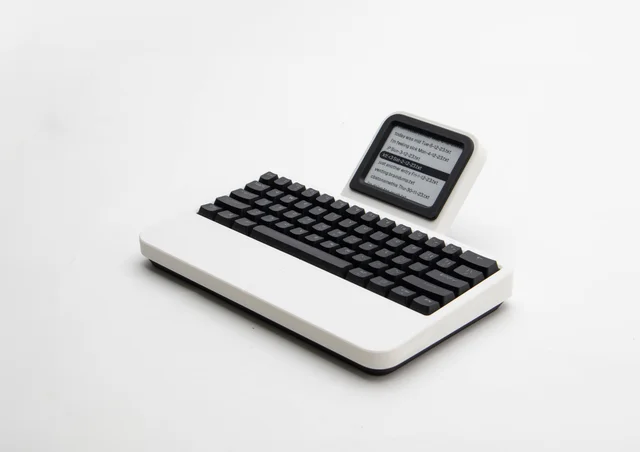
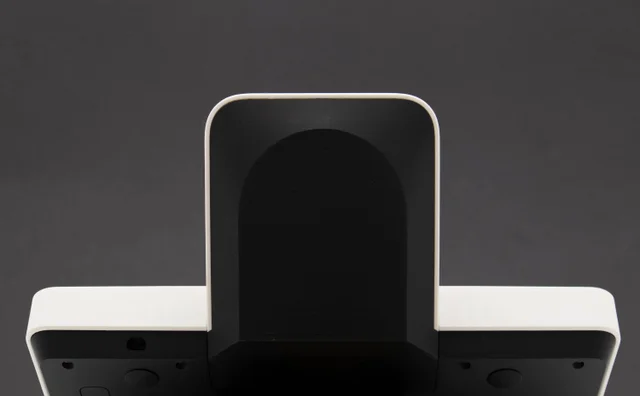
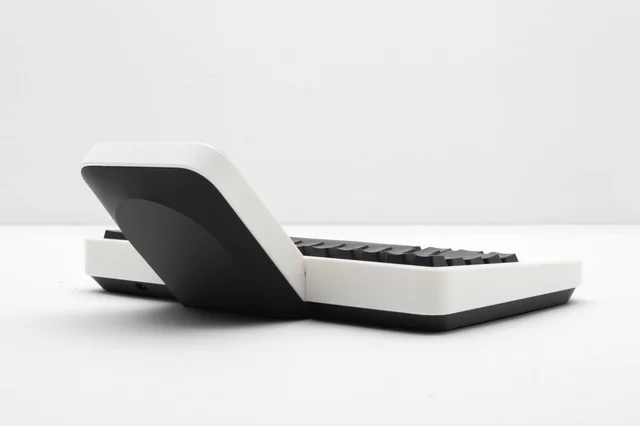
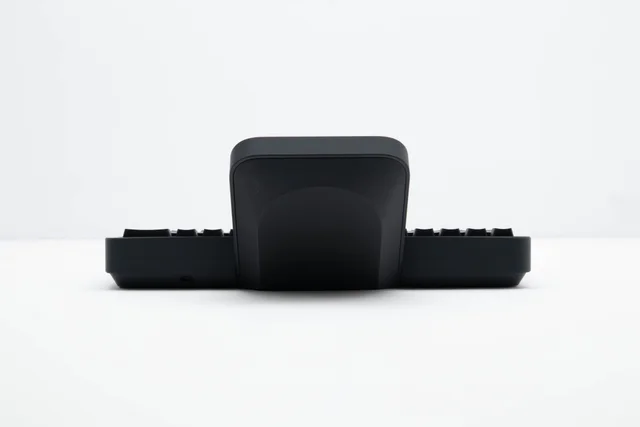
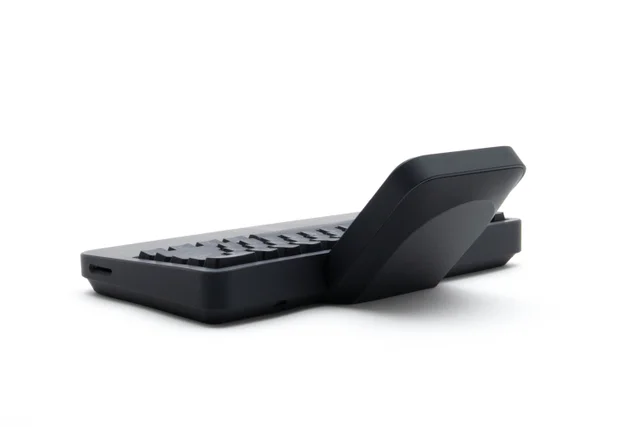
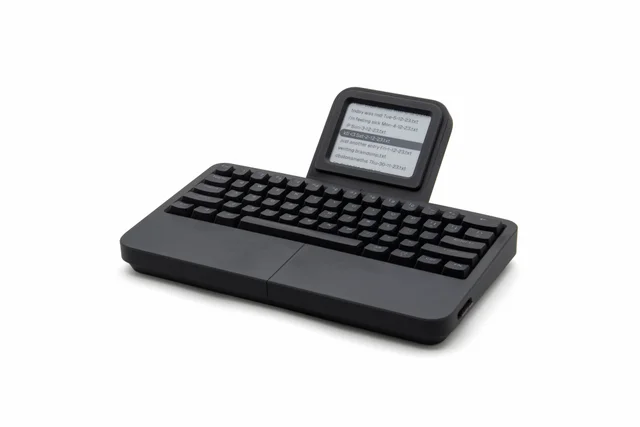
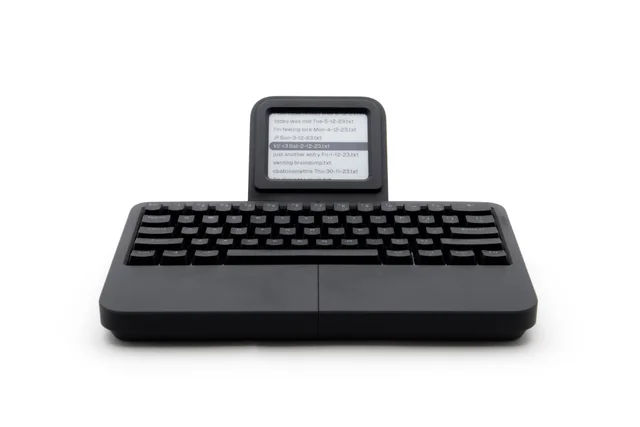
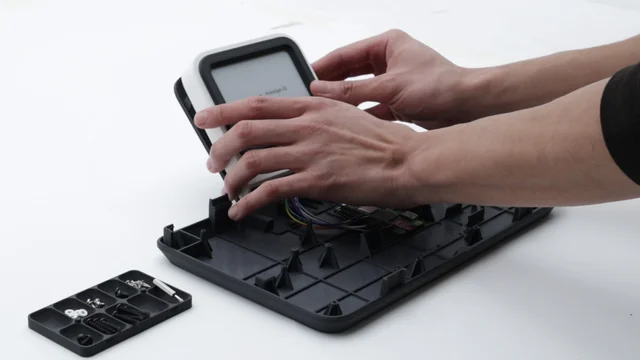
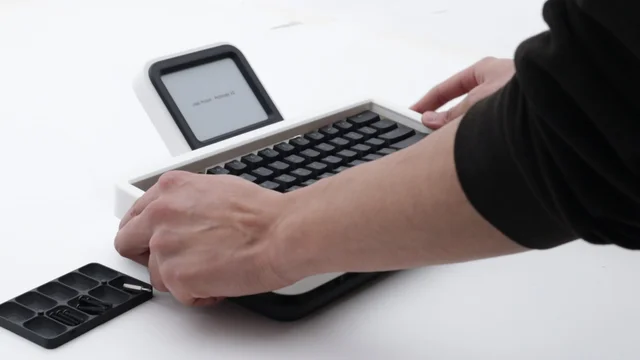
The Tapico Typer is a tactile-first device for deliberate reflection and intentional living. It is for journaling, first-drafting or stream-of-consciousness typing.
"does only one thing but does it to perfection."

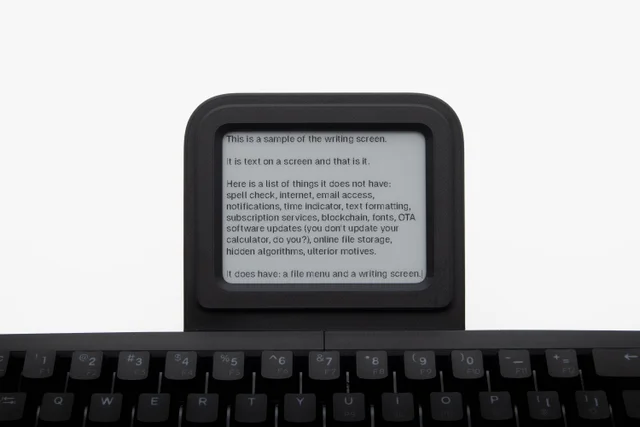
The Tapico Typer is a tactile-first device for deliberate reflection and intentional living. It is for journaling, first-drafting or stream-of-consciousness typing.
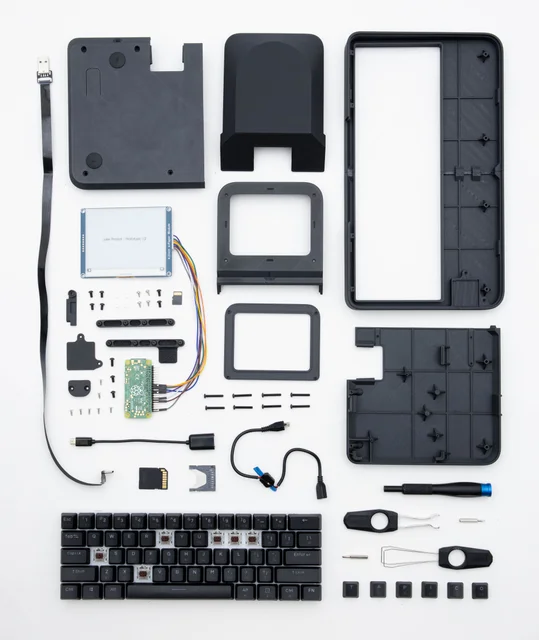
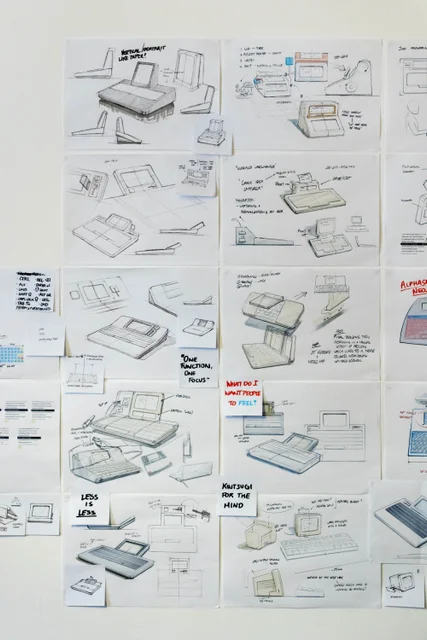
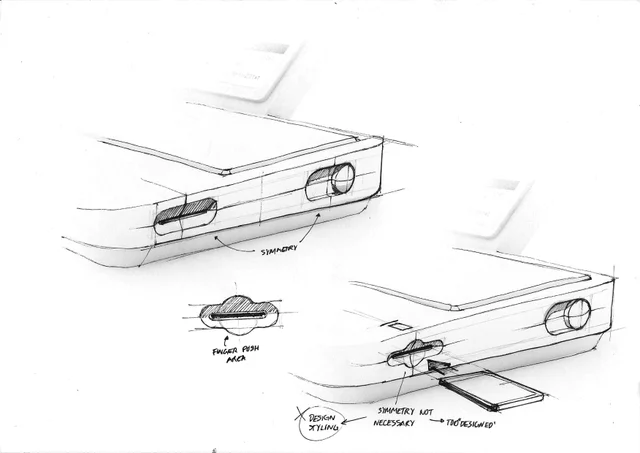
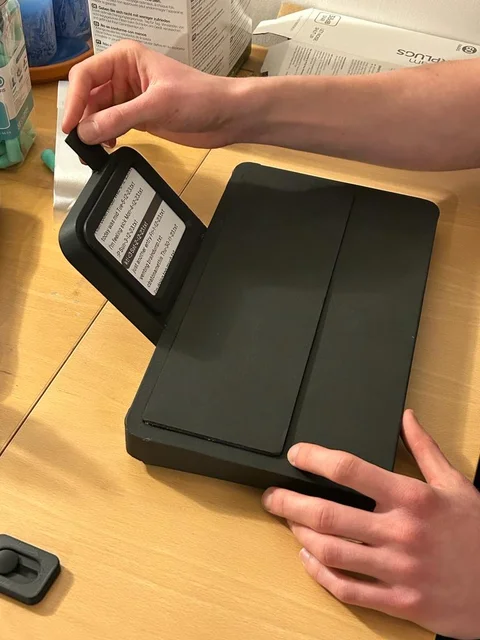
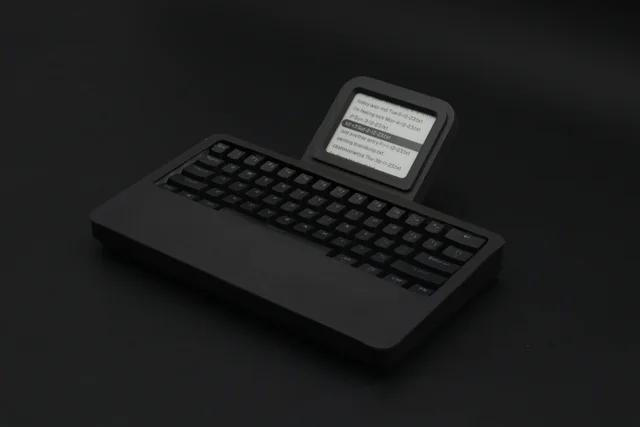
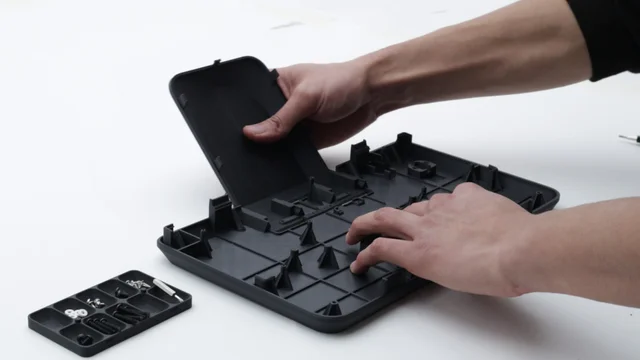
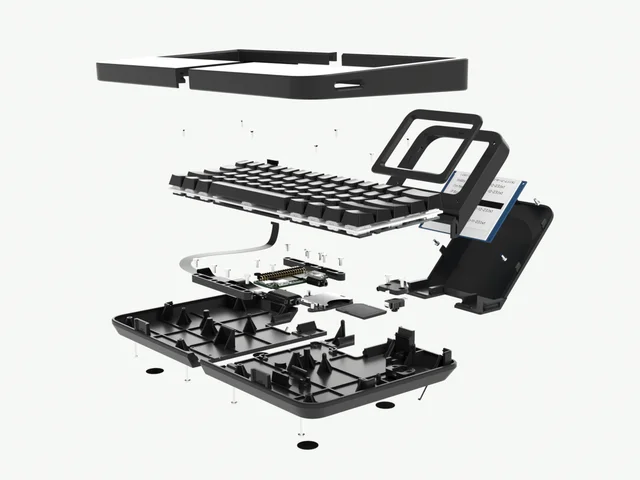
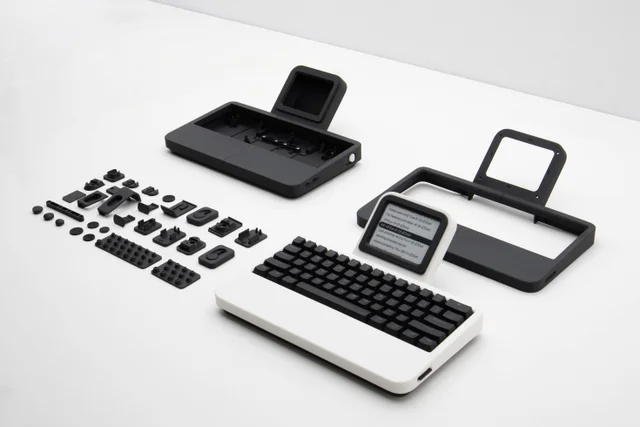
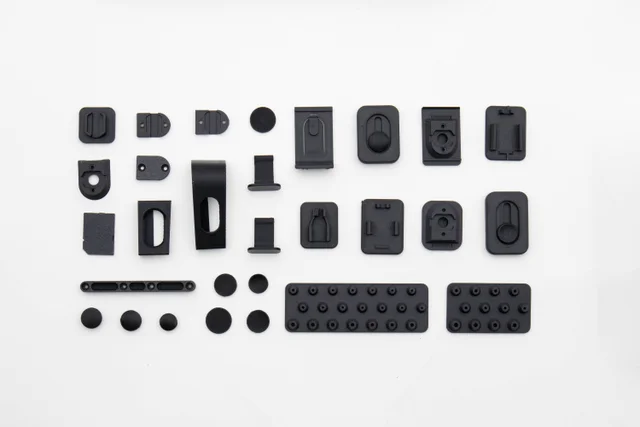
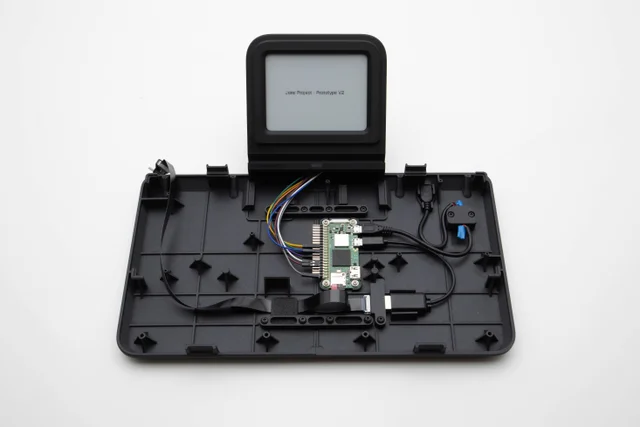
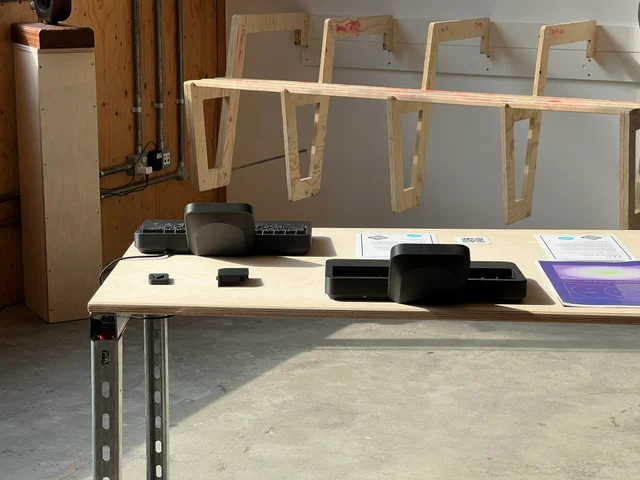
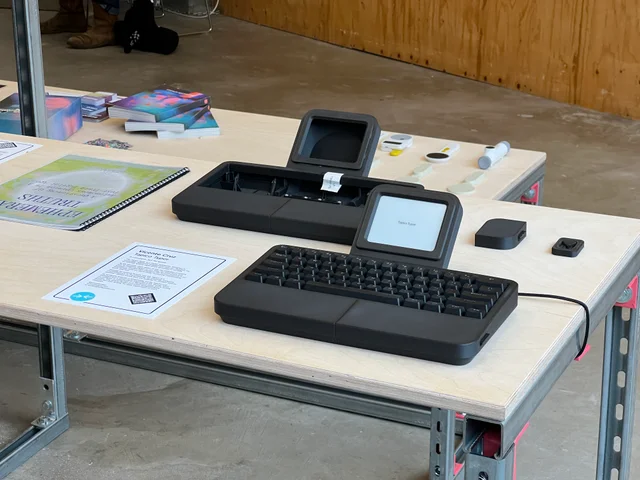
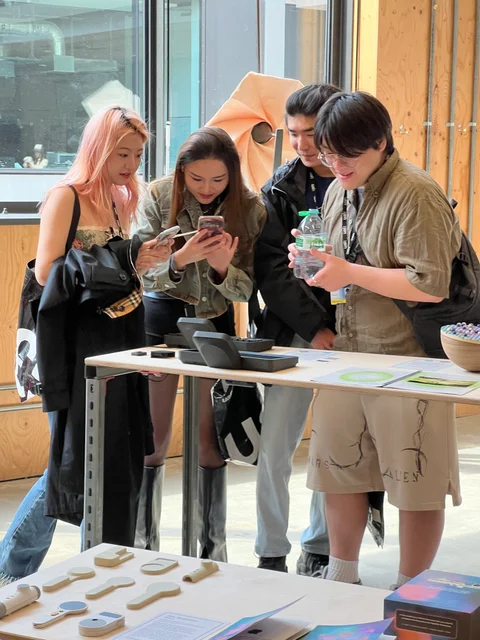
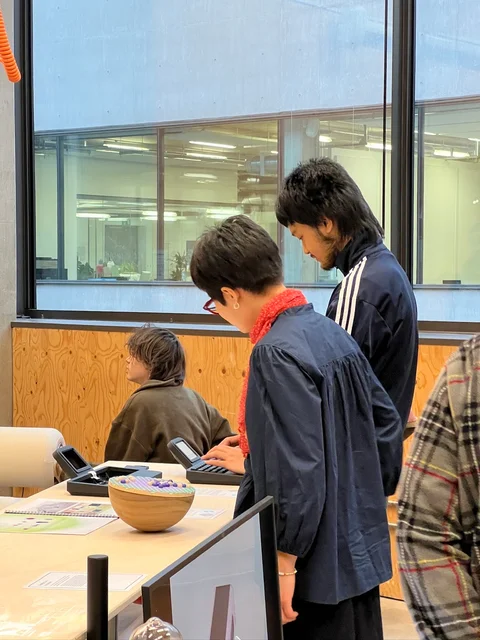
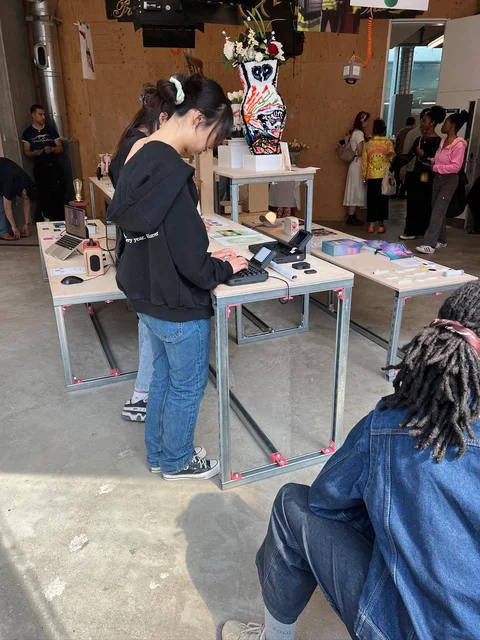
I developed a stand-by screensaver that cycled through the main animations, thus allowing me to give viewers the comfort to explore the product on their own.



... If this ever hits the market or Kickstarter/indiegogo, I’d buy one!
There's plenty of space to undercut the market with a product like this. People are stuck buying products from decades ago because no one is offering anything in the $100-$200 range.
Wow, this is a fantastic design! I’d buy a disk image, shopping list and tutorial.
This looks awesome. Congrats! I want one.
Love it. Put me down for two!
This is SO cool… 100% following to see what comes of this because you have a huge opportunity to pop into the market.
I love this. Aesthetically pleasing just as it is. And the potential for a decent price point for a finished product. That said, I still want one.
r/umpc and r/writerdeck and r/cyberdeck may also be interested, and I'd buy something like this.
Hey how much would this cost to buy in the uk? Genuinely really interested in this!! Looks amazing!
As an amateur writer that sticks to paper and ink because I find the PC too obtrusive and distracting, I'm genuinely fascinated by this. Love it, looks fantastic.
I think the idea is awesome, I use a typewriter for the same purpose… but it’s obviously not digital.
... If this ever hits the market or Kickstarter/indiegogo, I’d buy one!
There's plenty of space to undercut the market with a product like this. People are stuck buying products from decades ago because no one is offering anything in the $100-$200 range.
Wow, this is a fantastic design! I’d buy a disk image, shopping list and tutorial.
This looks awesome. Congrats! I want one.
Love it. Put me down for two!
This is SO cool… 100% following to see what comes of this because you have a huge opportunity to pop into the market.
I love this. Aesthetically pleasing just as it is. And the potential for a decent price point for a finished product. That said, I still want one.
r/umpc and r/writerdeck and r/cyberdeck may also be interested, and I'd buy something like this.
Hey how much would this cost to buy in the uk? Genuinely really interested in this!! Looks amazing!
As an amateur writer that sticks to paper and ink because I find the PC too obtrusive and distracting, I'm genuinely fascinated by this. Love it, looks fantastic.
I think the idea is awesome, I use a typewriter for the same purpose… but it’s obviously not digital.
... If this ever hits the market or Kickstarter/indiegogo, I’d buy one!
There's plenty of space to undercut the market with a product like this. People are stuck buying products from decades ago because no one is offering anything in the $100-$200 range.
Wow, this is a fantastic design! I’d buy a disk image, shopping list and tutorial.
This looks awesome. Congrats! I want one.
Love it. Put me down for two!
This is SO cool… 100% following to see what comes of this because you have a huge opportunity to pop into the market.
I love this. Aesthetically pleasing just as it is. And the potential for a decent price point for a finished product. That said, I still want one.
r/umpc and r/writerdeck and r/cyberdeck may also be interested, and I'd buy something like this.
Hey how much would this cost to buy in the uk? Genuinely really interested in this!! Looks amazing!
As an amateur writer that sticks to paper and ink because I find the PC too obtrusive and distracting, I'm genuinely fascinated by this. Love it, looks fantastic.
I think the idea is awesome, I use a typewriter for the same purpose… but it’s obviously not digital.
This looks awesome. Congrats! I want one.
Love it. Put me down for two!
This is SO cool… 100% following to see what comes of this because you have a huge opportunity to pop into the market.
I love this. Aesthetically pleasing just as it is. And the potential for a decent price point for a finished product. That said, I still want one.
r/umpc and r/writerdeck and r/cyberdeck may also be interested, and I'd buy something like this.
Hey how much would this cost to buy in the uk? Genuinely really interested in this!! Looks amazing!
As an amateur writer that sticks to paper and ink because I find the PC too obtrusive and distracting, I'm genuinely fascinated by this. Love it, looks fantastic.
I think the idea is awesome, I use a typewriter for the same purpose… but it’s obviously not digital.
... If this ever hits the market or Kickstarter/indiegogo, I’d buy one!
There's plenty of space to undercut the market with a product like this. People are stuck buying products from decades ago because no one is offering anything in the $100-$200 range.
Wow, this is a fantastic design! I’d buy a disk image, shopping list and tutorial.
This looks awesome. Congrats! I want one.
Love it. Put me down for two!
This is SO cool… 100% following to see what comes of this because you have a huge opportunity to pop into the market.
I love this. Aesthetically pleasing just as it is. And the potential for a decent price point for a finished product. That said, I still want one.
r/umpc and r/writerdeck and r/cyberdeck may also be interested, and I'd buy something like this.
Hey how much would this cost to buy in the uk? Genuinely really interested in this!! Looks amazing!
As an amateur writer that sticks to paper and ink because I find the PC too obtrusive and distracting, I'm genuinely fascinated by this. Love it, looks fantastic.
I think the idea is awesome, I use a typewriter for the same purpose… but it’s obviously not digital.
... If this ever hits the market or Kickstarter/indiegogo, I’d buy one!
There's plenty of space to undercut the market with a product like this. People are stuck buying products from decades ago because no one is offering anything in the $100-$200 range.
Wow, this is a fantastic design! I’d buy a disk image, shopping list and tutorial.
This looks awesome. Congrats! I want one.
Love it. Put me down for two!
This is SO cool… 100% following to see what comes of this because you have a huge opportunity to pop into the market.
I love this. Aesthetically pleasing just as it is. And the potential for a decent price point for a finished product. That said, I still want one.
r/umpc and r/writerdeck and r/cyberdeck may also be interested, and I'd buy something like this.
Hey how much would this cost to buy in the uk? Genuinely really interested in this!! Looks amazing!
As an amateur writer that sticks to paper and ink because I find the PC too obtrusive and distracting, I'm genuinely fascinated by this. Love it, looks fantastic.
I think the idea is awesome, I use a typewriter for the same purpose… but it’s obviously not digital.
... If this ever hits the market or Kickstarter/indiegogo, I’d buy one!
There's plenty of space to undercut the market with a product like this. People are stuck buying products from decades ago because no one is offering anything in the $100-$200 range.
Wow, this is a fantastic design! I’d buy a disk image, shopping list and tutorial.
r/umpc and r/writerdeck and r/cyberdeck may also be interested, and I'd buy something like this.
Hey how much would this cost to buy in the uk? Genuinely really interested in this!! Looks amazing!
As an amateur writer that sticks to paper and ink because I find the PC too obtrusive and distracting, I'm genuinely fascinated by this. Love it, looks fantastic.
I think the idea is awesome, I use a typewriter for the same purpose… but it’s obviously not digital.
... If this ever hits the market or Kickstarter/indiegogo, I’d buy one!
There's plenty of space to undercut the market with a product like this. People are stuck buying products from decades ago because no one is offering anything in the $100-$200 range.
Wow, this is a fantastic design! I’d buy a disk image, shopping list and tutorial.
This looks awesome. Congrats! I want one.
Love it. Put me down for two!
This is SO cool… 100% following to see what comes of this because you have a huge opportunity to pop into the market.
I love this. Aesthetically pleasing just as it is. And the potential for a decent price point for a finished product. That said, I still want one.
r/umpc and r/writerdeck and r/cyberdeck may also be interested, and I'd buy something like this.
Hey how much would this cost to buy in the uk? Genuinely really interested in this!! Looks amazing!
As an amateur writer that sticks to paper and ink because I find the PC too obtrusive and distracting, I'm genuinely fascinated by this. Love it, looks fantastic.
I think the idea is awesome, I use a typewriter for the same purpose… but it’s obviously not digital.
... If this ever hits the market or Kickstarter/indiegogo, I’d buy one!
There's plenty of space to undercut the market with a product like this. People are stuck buying products from decades ago because no one is offering anything in the $100-$200 range.
Wow, this is a fantastic design! I’d buy a disk image, shopping list and tutorial.
This looks awesome. Congrats! I want one.
Love it. Put me down for two!
This is SO cool… 100% following to see what comes of this because you have a huge opportunity to pop into the market.
I love this. Aesthetically pleasing just as it is. And the potential for a decent price point for a finished product. That said, I still want one.
r/umpc and r/writerdeck and r/cyberdeck may also be interested, and I'd buy something like this.
Hey how much would this cost to buy in the uk? Genuinely really interested in this!! Looks amazing!
As an amateur writer that sticks to paper and ink because I find the PC too obtrusive and distracting, I'm genuinely fascinated by this. Love it, looks fantastic.
I think the idea is awesome, I use a typewriter for the same purpose… but it’s obviously not digital.
... If this ever hits the market or Kickstarter/indiegogo, I’d buy one!
There's plenty of space to undercut the market with a product like this. People are stuck buying products from decades ago because no one is offering anything in the $100-$200 range.
Wow, this is a fantastic design! I’d buy a disk image, shopping list and tutorial.
This looks awesome. Congrats! I want one.
Love it. Put me down for two!
This is SO cool… 100% following to see what comes of this because you have a huge opportunity to pop into the market.
I love this. Aesthetically pleasing just as it is. And the potential for a decent price point for a finished product. That said, I still want one.